
New Rule to Address Stoppages
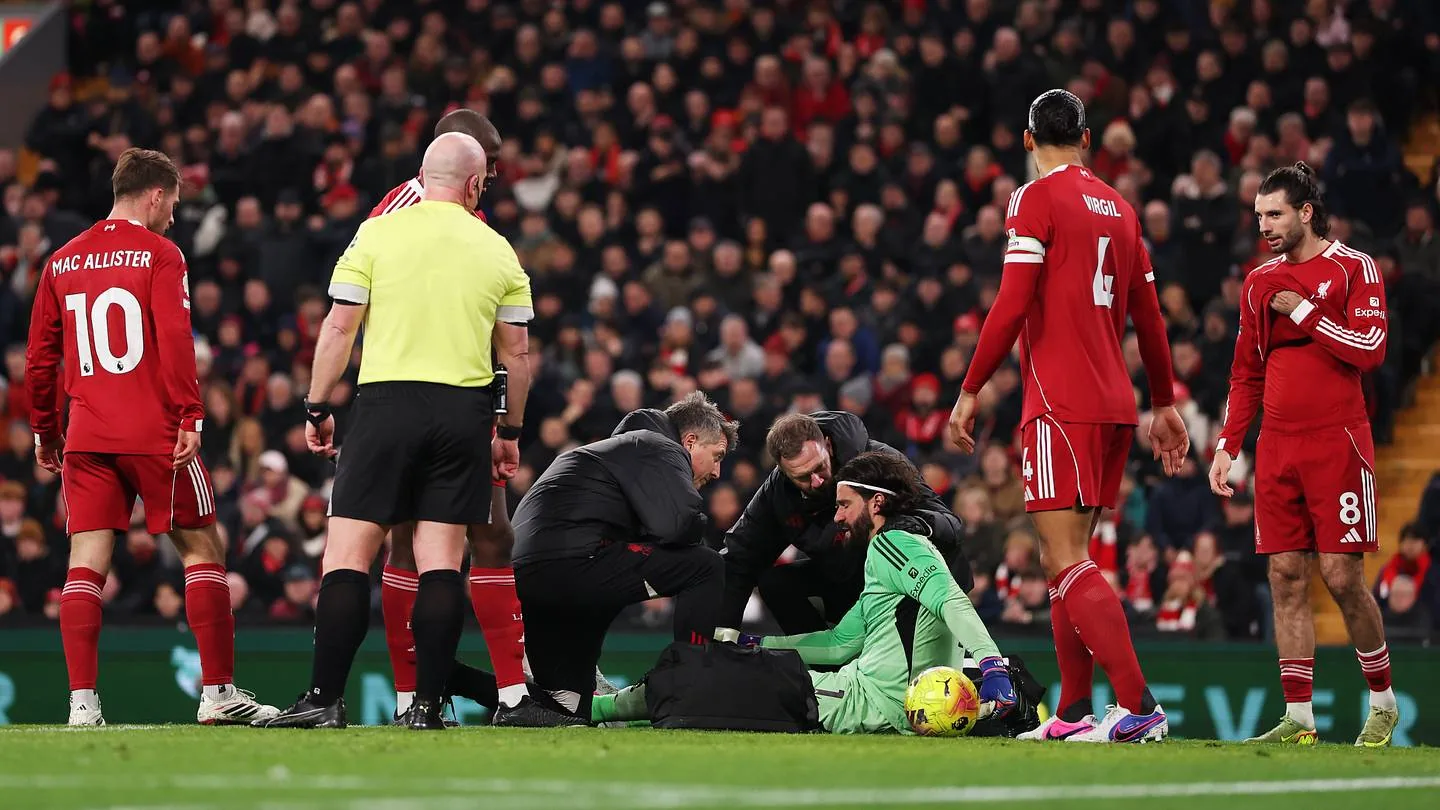
English football’s major organisations, including the Premier League, EFL, FA, National League, and WSL, have agreed to trial a new measure aimed at reducing tactical timeouts by goalkeepers. This initiative, approved by the International Football Association Board (IFAB), will be implemented in the upcoming season. The trial seeks to ensure that genuine injuries receive proper medical attention while eliminating any potential sporting advantage gained from stoppages.
Under the new rule, if a referee signals for a physio to treat a goalkeeper, the team’s coach will have 10 seconds to select an outfield player to leave the pitch for one minute. If no player is chosen within this timeframe, the team captain will be required to leave the field. The nominated player must remain off the field for a minimum of one minute after play resumes.
Rationale Behind the Change
The practice of goalkeepers allegedly feigning injury to disrupt play, allow managers to regroup, or pass on tactical instructions has been a point of discussion. This tactic has been observed in various matches, with instances highlighted by managers such as Leeds United boss Daniel Farke, who accused Manchester City goalkeeper Gianluigi Donnarumma of feigning injury. Similarly, Gary Neville suggested that Newcastle’s Aaron Ramsdale went down after an instruction from Lewis Hall, reportedly from manager Eddie Howe.
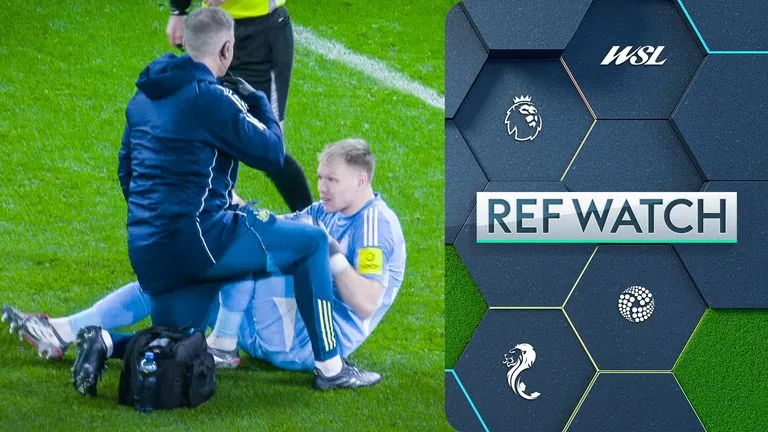
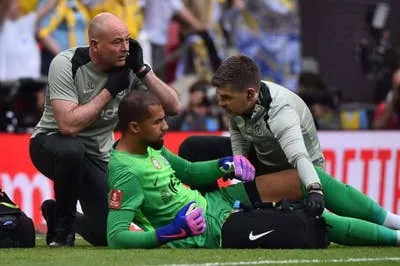
The new trial aims to close a loophole where goalkeepers could receive treatment without their team being temporarily disadvantaged, unlike outfield players who must leave the field for one minute after on-pitch treatment. While sending a goalkeeper off would be too significant a disadvantage, the current system has allowed teams to exploit stoppages. The prospect of playing with 10 players, particularly in the later stages of a game, is intended to deter teams from using this tactic unless an injury is genuine.
Exceptions and Implementation
There are specific exceptions to the new rule where an outfield player will not be required to leave the field. These include situations where a free kick is awarded for a foul on the goalkeeper, if the goalkeeper and an outfield player have collided and both require attention, or if the goalkeeper is bleeding. Additionally, if there is a fear of a serious injury, such as a concussion, no outfield player will be sent to the sideline.
The trial could debut in the Carabao Cup preliminary round. English football’s professional refereeing body, Pro Ref, discussed the trial options with the FA and various leagues before settling on the nominated-player approach. The measure, if successful, could be incorporated into the game’s official laws for the 2027-28 season.
The Zurich-based IFAB had indicated its intention to address tactical timeouts at its annual general meeting in February but stated that trials would not be approved until after the World Cup. In the interim, FIFA’s refereeing chief Pierluigi Collina instructed officials during this summer’s tournament to prevent players from going to the technical area during treatment stoppages.
The A-League in Australia will also test a version of this rule, where the captain always leaves the field, unlike the English approach which allows the manager to nominate a player. The new rule will be universally applied across the FA Cup, Carabao Cup, the EFL Championship, League One, League Two, and the National League, in addition to the Premier League and Women’s Super League.
The trial will also operate alongside a 10-second time limit for players leaving the pitch when substituted, which will be in effect across the professional game from the first whistle of the forthcoming campaign in the Carabao Cup on Saturday, August 1.
Source: skysports.com

Lucy Ashby is a Sports Reporter at NewsGB. She reported on the county circuit and Team GB. She focuses on tennis, cricket and athletics and is known for clear, deadline-driven reporting. She holds a degree in Sport and Media from Durham University and completed an NCTJ diploma. Now based in Durham, she plays club cricket and follows distance running. “The best sport reporting starts by listening.”