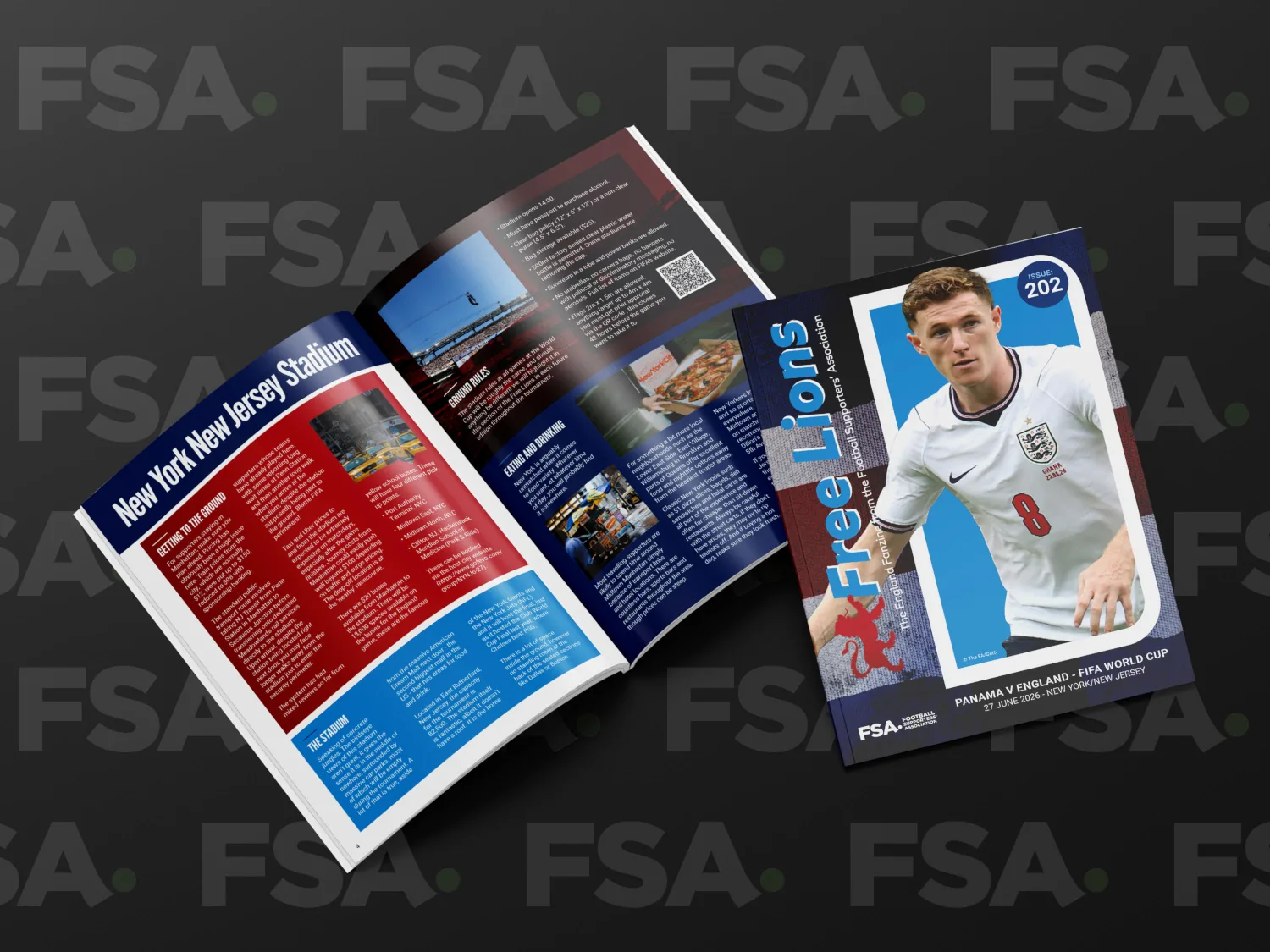

England are set to face Panama in their final World Cup group stage match on Saturday, aiming to secure the top spot in their group. The match will take place at the MetLife Stadium in New Jersey, also referred to as the New York New Jersey Stadium for the duration of the tournament. The Three Lions, with four points from two games, will be looking for a victory.
Panama, while a relatively unknown quantity, are an exciting team whose results do not paint a true picture of their performances in the tournament. Despite their performances, they have struggled to convert chances into goals, partly due to the injury of a key player, Adalberto Carrasquilla. Thomas Christiansen, Panama‘s coach, has employed various tactical shapes depending on the phase of play.
Panama’s Tactical Approaches
In their initial games, Panama demonstrated flexibility in their formations. During opposition goal-kicks, they adopted an aggressive 4-4-2 press. If opponents maintained possession higher up the pitch, Panama would transition into a mid-block, shifting from a 4-4-2 to a 5-3-2, focusing on making it difficult for teams to play through them. As Croatia gained momentum, Panama became even more defensive, evolving their 5-3-2 into a 5-4-1 with a deeper defensive line for significant portions of the game.
This adaptable approach presents a challenge for England, who thrive when opponents push up the pitch. England‘s coach, Thomas Tuchel, has built his game model on drawing opponents out of stubborn defensive shapes. Against Ghana, England faced difficulties as their opponents adopted a deep-sitting strategy without applying forward pressure, keeping the team compact.
Panama‘s defensive style is seen as an ‘in-between’ version of Ghana and Croatia. If Panama employs a 5-4-1 shape, the four midfielders, compared to Ghana‘s five in a 4-5-1, might struggle to cover the full width of the pitch. This could allow England‘s defenders to find their full-backs or wide midfielders by moving the ball quickly from one side to the other, potentially creating chances by playing around Panama.
Croatia‘s only goal against Panama came from exploiting this exact weakness, as Panama prioritised protecting the centre. England has also aimed to keep their wingers high and wide in the tournament, a tactic that could pull Panama‘s wing-backs out, similar to Croatia‘s strategy. Tuchel was observed encouraging Djed Spence to pass to Anthony Gordon before making a forward run, mirroring the play that led to Croatia‘s goal.
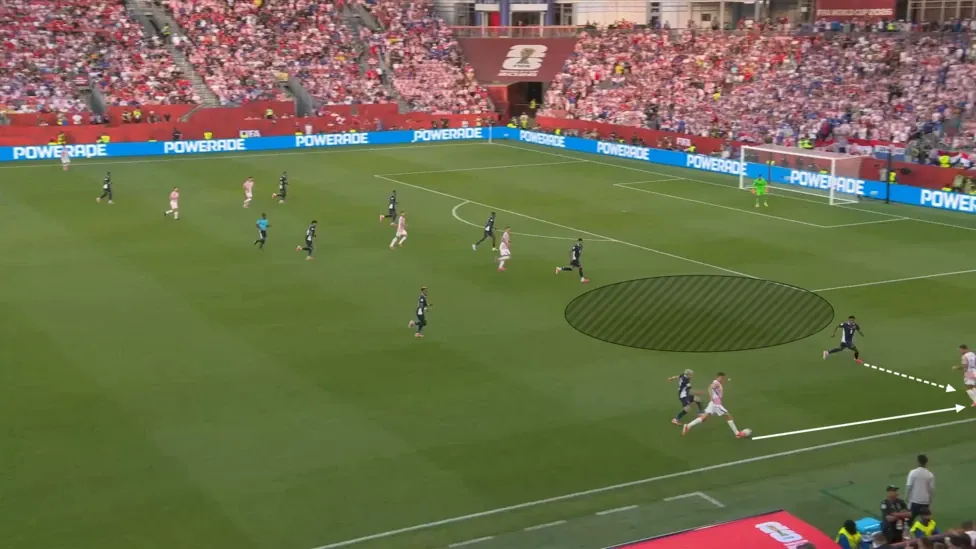
Another potential area to exploit is the gap that opens between the centre-back and wing-back when a winger pulls wide. England could look to have a third player run into this space. Furthermore, Panama‘s defensive line, even in a 5-4-1, appears higher than Ghana‘s, which might create opportunities for England to play over them.
While Panama demonstrates strong technical quality in possession, particularly through midfielder Cristian Martinez, they have lacked a decisive final action to finish their chances. England‘s counter-pressing, with players actively working to win the ball back immediately, could prove effective. However, if Panama can execute quick combinations and speed up play, they could pose a threat, often concluding fast attacks with crosses rather than central through-balls.
Tuchel’s Search for Solutions
The draw against Ghana, where England failed to secure top spot with a game to spare, has complicated Tuchel‘s plans for rotation. The team faces a demanding schedule, with a potential run of four games in 13 days. Key players like Declan Rice, who is one booking away from a ban and had strapping on his left calf after the Ghana match, present selection dilemmas. The absence of Reece James due to a hamstring injury further compounds Tuchel‘s issues against low blocks.
Tuchel has acknowledged the difficulty England faces against deep defences, noting that some of their less impressive performances have come against such setups. He anticipates a challenging match against Panama, whose back five could expand to a back six or seven. Despite Panama being eliminated, they have shown improvement.
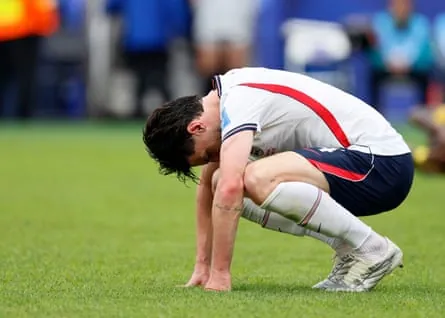
Against Ghana‘s compact 4-5-1, England had possession but did not register a shot on target until the second half. Thomas Partey‘s close marking of Harry Kane limited the captain to 19 touches and only three passes with Jude Bellingham. Tuchel admitted that he has not found a definitive solution for overcoming low blocks, stating, “I haven’t found the recipe where: ‘They do this, then we do this and then we are fine.'”
The coach is seeking a more active and aggressive approach against Panama, but without being naive. He aims for England to create overloads in key areas and accelerate play quickly, a strategy that was not effective against Ghana. Tuchel also highlighted the need for more risk in possession and for players to avoid falling into traps that allow Panama to break up play. He hopes Bukayo Saka will be ready to start on the right wing, and suggested that Marcus Rashford could replace Anthony Gordon on the left, or that Eberechi Eze or Morgan Rogers could drift inside to link play.
Tuchel‘s focus remains on the collective performance, encouraging players to excel in “one-against-ones” while acknowledging that Panama will resist attempts to create overloads. He stressed the importance of accelerating the match against low blocks, requiring moments of quality, precision in crossing, and aggressive runs into the box. He also noted the need for more shots from outside the box to force deflections. The Fans’ Embassy will be available to assist England fans at the Central Park Tavern on West 57th Street from midday to 5pm on Friday.
Read Also
Source: bbc.co.uk

Dominic Hayes is the Sports News Writer at NewsGB, covering rugby union, golf and boxing with five years of reporting experience. He started on a north-east sports desk. He holds a degree in Journalism from Teesside University and completed an NCTJ diploma. Based in Middlesbrough, he follows pro golf and amateur boxing. “Fast and accurate is the only standard worth keeping.”