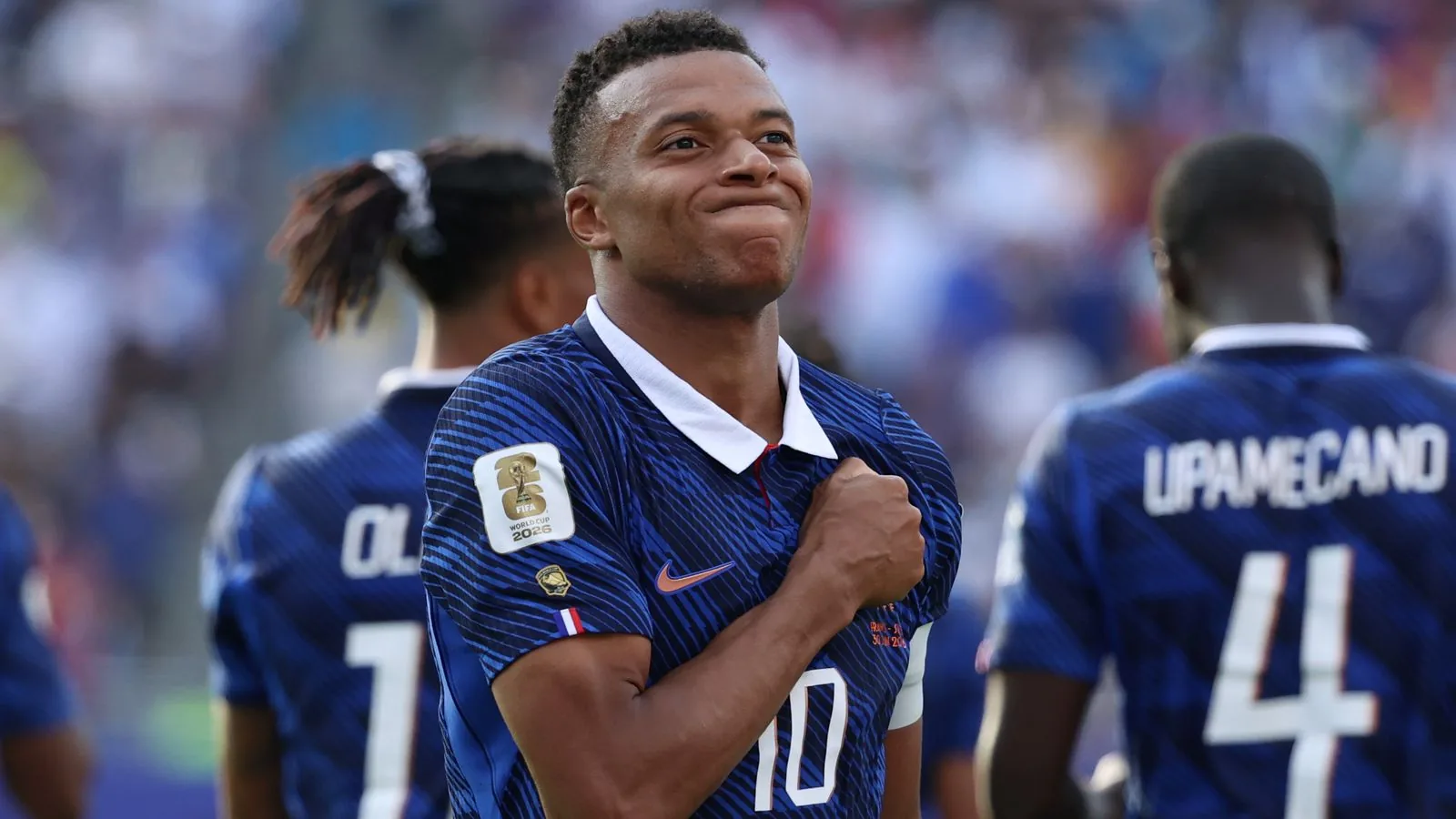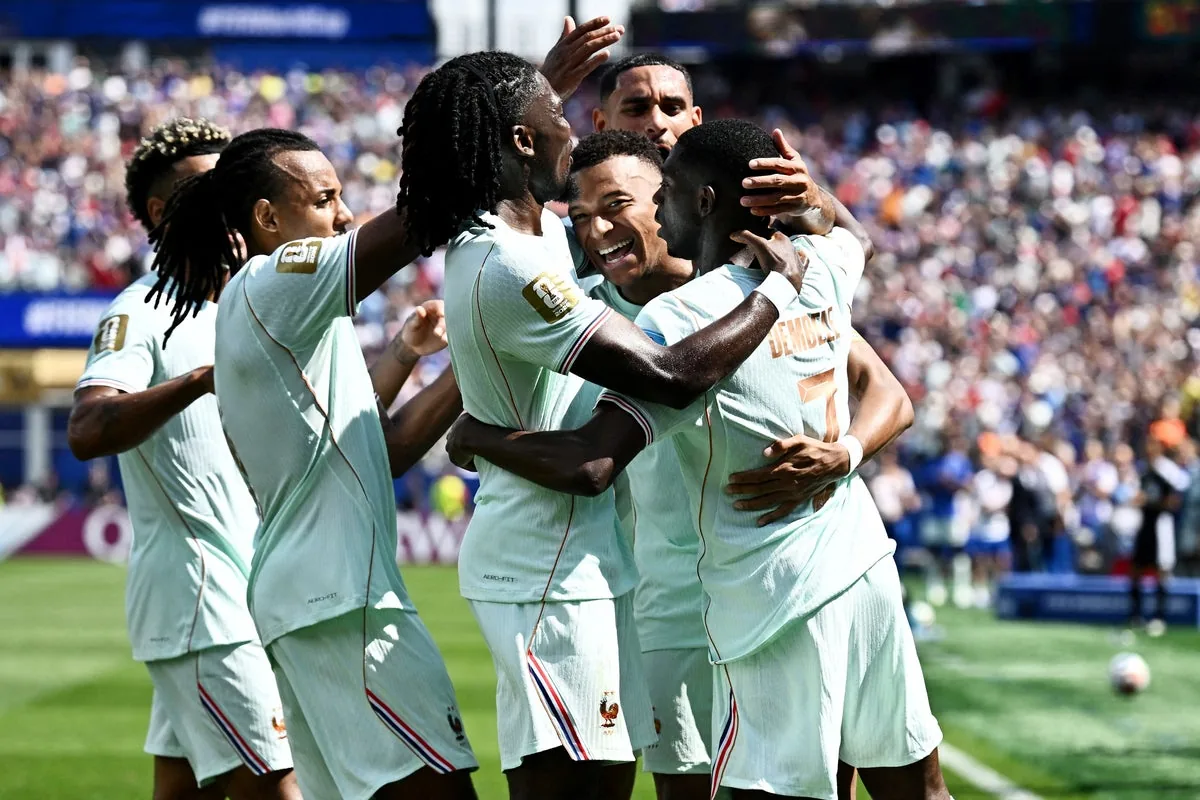

Norway opted to rest key players, including Erling Haaland, during their final group stage match against France at World Cup 2026. This decision came despite the match being billed as a potential showdown between Haaland and France’s Kylian Mbappe. France ultimately secured a 4-1 victory, with Ousmane Dembele scoring a first-half hat-trick.
Norway manager Stale Solbakken made 10 changes to his starting XI, a move he described as a “no-brainer” due to player health and medical advice. The team had already qualified for the knockout stages, leading Solbakken to prioritise player fitness for the later stages of the tournament. The decision meant that Haaland, who had scored four goals in the previous two group games, started on the bench.
Strategic Player Rotation
The extensive changes by Norway meant that fans who had travelled to see Haaland and Martin Odegaard play did not get to see them in action. Former England striker Ian Wright noted before the game that if Haaland needed rest for the tournament’s later stages, he would take it. Despite the changes, Norway’s deputy, Jorgen Strand Larsen, missed a penalty that could have narrowed France’s lead.
Haaland had previously commented on facing France, stating he did not “care too much about that game now” after Norway secured their qualification for the knockout stages. He also suggested that France would likely win against Norway and potentially the entire tournament.
The decision to rest players has sparked debate. While France topped Group I with three wins, Norway now face a significant travel challenge for their next game. Their reward for winning the group was a last-32 match at the New York New Jersey Stadium against the runners-up in Group F or G. Norway, however, must travel approximately 1,100 miles from Greensboro, North Carolina, to Arlington, Texas, to play Ivory Coast on the same day. Had they topped their group, their travel distance would have been halved.
Implications for the Knockout Stages
Ex-Scotland winger Pat Nevin described the travel situation as “quite complicated,” highlighting the “massive distances” involved if a team loses a game and has to relocate. However, he also suggested that ensuring players are “completely and utterly fit” is likely a priority for Norway, especially given their physical style of play. Nevin questioned whether it would be worth risking injuries to key players by fielding a full-strength side against France.
Wright expressed surprise at Norway’s 10 changes, particularly as they had used the same starting XI for their victories against Iraq and Senegal. Nevin added that Norway’s physical approach, involving several tall players, might have posed a different challenge for France if their usual team had played.
Former Republic of Ireland midfielder Roy Keane supported Solbakken’s reasoning, noting that Norway is a team not yet accustomed to tournament football, unlike France, who are expected to compete for the World Cup title. Keane suggested that Norway’s priority was to advance from the group, which they achieved, and that the manager likely aimed to rest players for subsequent matches.
France assistant Guy Stephan, who was deputising for Didier Deschamps, stated he was not surprised by Norway’s changes, understanding that Solbakken aimed to prepare for the round of 32. He added that it would become clear “in four days” whether the decision was correct.
Norway is one of only four teams to make 10 or more changes to their starting XI for a World Cup match in the same edition. Spain made 11 changes in 2006 against Saudi Arabia and won, but then lost to France in the last 16. In contrast, Belgium made 10 changes in 2018, defeated Japan, and went on to beat Brazil in the quarter-finals before being eliminated by France.
Dembele’s hat-trick in Foxborough was a highlight of the match, with his goals showcasing a consistent technique of cutting inside and striking with his left foot. His first goal came after just seven minutes, setting the tone for France’s dominant performance. The French team’s depth was further demonstrated by goals from Michael Olise, Bradley Barcola, and Desire Doue, with Doue scoring his first World Cup goal.
France’s attacking prowess has led to them being the first team since Poland in 1974 to have two players score four goals each in the group stage. This expanded tournament also marks the first World Cup where five players have scored four or more goals in the group stage.
The strategic choices made by Norway will be tested in their upcoming fixture against Ivory Coast.
Read Also
Source: bbc.co.uk

Dominic Hayes is the Sports News Writer at NewsGB, covering rugby union, golf and boxing with five years of reporting experience. He started on a north-east sports desk. He holds a degree in Journalism from Teesside University and completed an NCTJ diploma. Based in Middlesbrough, he follows pro golf and amateur boxing. “Fast and accurate is the only standard worth keeping.”