
Night-time testing at Tour de France
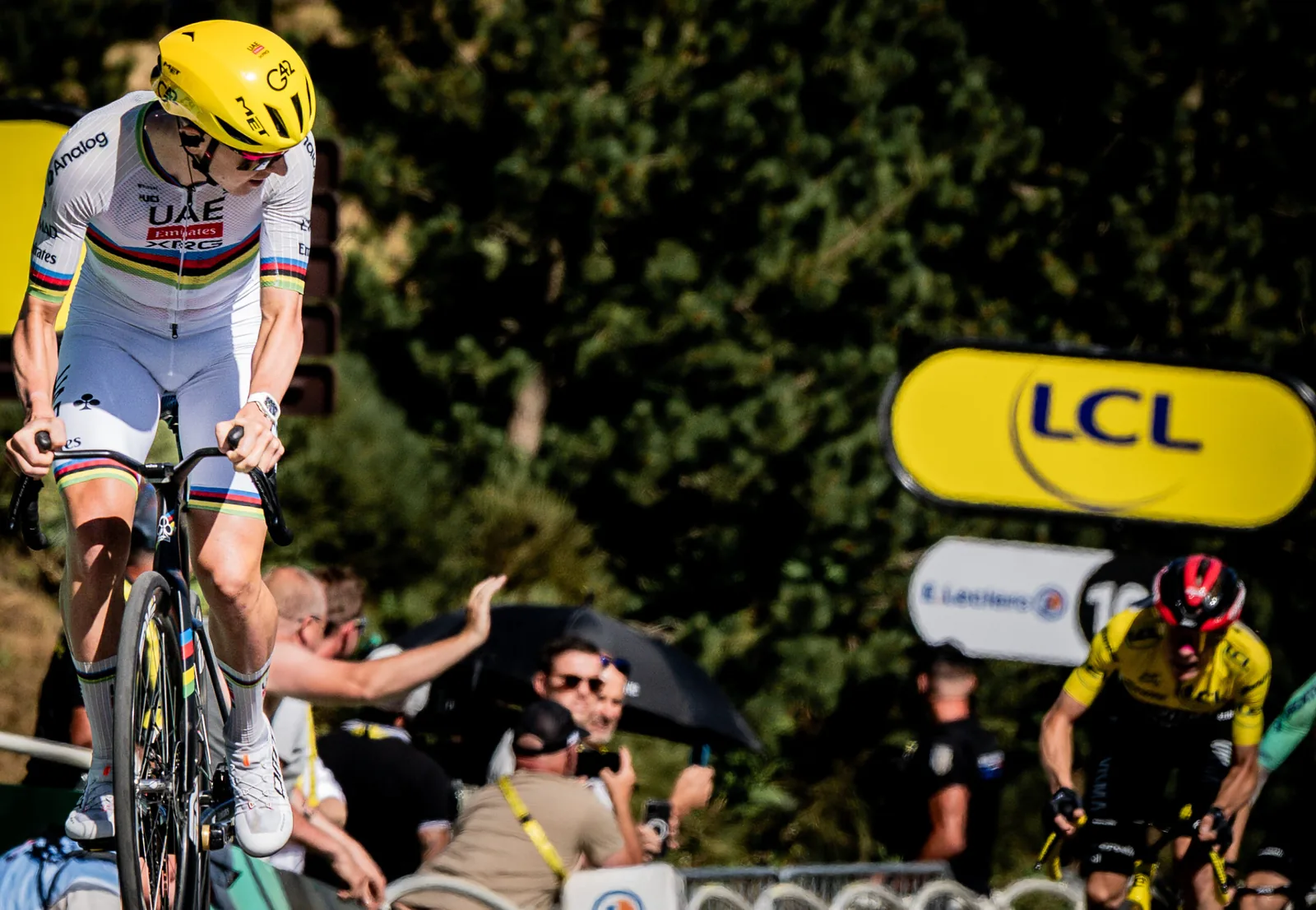
The anti-doping body overseeing cycling has defended its decision to conduct nighttime tests on riders Tadej Pogačar of UAE Team Emirates-XRG and Jonas Vingegaard of Visma-Lease a Bike during the Tour de France. These tests, which occurred before Stage 15, have drawn criticism from several riders, including Pogačar, Vingegaard, and Remco Evenepoel of Red Bull-Bora-Hansgrohe.
International Testing Agency (ITA) officials visited Vingegaard at 2am and Pogačar at 5am on Sunday morning. Both riders expressed concerns about the impact on their rest and performance. Pogačar reported getting only four hours of sleep, while Vingegaard noted it took him 40 minutes to return to his room after the test.
Vingegaard commented that while testing is beneficial, its timing should not negatively affect a rider’s performance and sleep. He added that he hoped the testing was applied equally to all participants. Pogačar, who leads the general classification, mentioned that he undergoes testing daily, especially as the yellow jersey holder, and that random morning tests are common, but nighttime visits are less frequent.
Rider and team reactions
The overnight testing prompted strong reactions from riders and team personnel. Evenepoel described the practice as “pretty disrespectful” and “inhuman,” suggesting it should not be accepted by athletes. He also stated that he would have continued sleeping if an official had knocked on his door in the middle of the night.
Pogačar suggested that Vingegaard’s subsequent crash during Stage 15 might have been partly due to disturbed rest, stating, “it got me thinking that it could be also like a small percentage why he crashed because he probably didn’t sleep good today.”
In the TNT Sports Breakaway studio, Robbie McEwen called the 2am wake-up “borderline a violation of human rights,” while Matt Stephens echoed this sentiment, describing it as “utterly disrespectful.” Visma-Lease a Bike teammate Matteo Jorgenson expressed anger, highlighting the importance of recovery between mountain stages. Florian Vermeersch of UAE Team Emirates found the situation “almost inhumane and completely absurd.”
Despite the criticism, Visma-Lease a Bike manager Richard Plugge acknowledged that such late-night tests are within the rules, which permit checks 24 hours a day from the start of the Tour until its finish. He views the occurrence as a sign that the sport is committed to maintaining fairness, noting that cycling’s anti-doping efforts are extensive compared to many other sports.
ITA’s justification for testing protocols
The ITA confirmed the overnight anti-doping controls and defended its decision, stating that such measures are part of “effective testing.” The agency acknowledged that nighttime testing can disrupt riders’ rest and recovery, and stated that due consideration is given to minimizing the impact of these activities.
The ITA, acting on behalf of the Union Cycliste Internationale (UCI), emphasized its responsibility to ensure the effectiveness of the cycling anti-doping program and the integrity of races. It clarified that effective testing must, in specific and justified circumstances, be conducted outside standard daytime hours.
The UCI’s anti-doping rules, specifically Article 5.2, permit testing between 11:00 p.m. and 6:00 a.m. if a rider has identified a testing window or consented to it, or if there is a “serious and specific suspicion” of doping. All testing activities at the Tour de France and other international events are conducted in accordance with the ITA’s testing strategy, the World Anti-Doping Code, the UCI Anti-Doping Rules, and French law, with consideration for rider welfare and fundamental rights. The ITA has been implementing the UCI’s anti-doping program independently since 2021.
Read Also
Source: cyclingweekly.com

As NewsGB's Senior Football Correspondent, Jack Ferndale reports on the Premier League, the EFL and the England national side for readers across the country. He covered north-east football for a regional daily. He holds a degree in Sports Journalism from the University of Sunderland and completed an NCTJ diploma. Jack lives in Sunderland, where he watches lower-league football home and away. “The story is in the squad, not just the starting eleven.”