
Concerns have been raised regarding air quality in the New York area ahead of the World Cup final between Spain and Argentina on Sunday. Wildfires in Canada have led to smoke spreading across multiple major cities in the United States, impacting air conditions.
The final is scheduled for MetLife Stadium in New Jersey. While conditions improved on Friday, the situation remains a topic of discussion, particularly concerning player performance and health.
Wildfire Impact on Air Quality
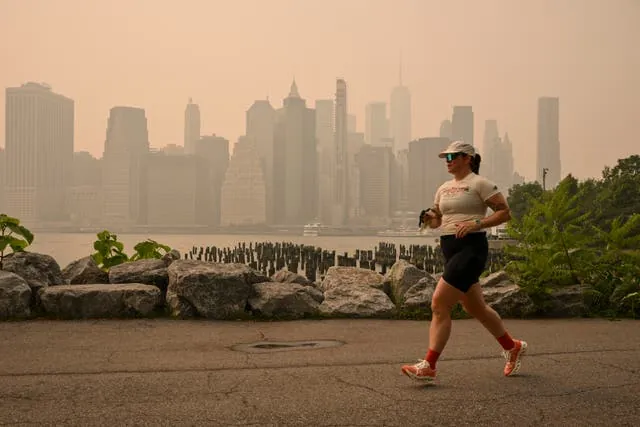
Polluted air has moved southward from wildfires in northern Ontario, Canada, affecting the Northeast U.S. The Canadian Interagency Forest Fire Centre (CIFFC) reported 897 active fires on Friday, with 31 being new and the majority labelled as out of control. A heat dome, an area of high pressure, has contributed to high temperatures in Ontario and the U.S. Northeast, trapping smoke close to the ground and creating hazy conditions.
New York City remained among the most affected regions in the U.S. as of Friday, with Detroit, Washington D.C., and Chicago also experiencing poor air quality, according to IQAir. The air quality index (AQI) reading in New York City was 188 on Friday, which is considered “unhealthy” for most people. Skies in the city have appeared orange, and the smell of smoke has been present.
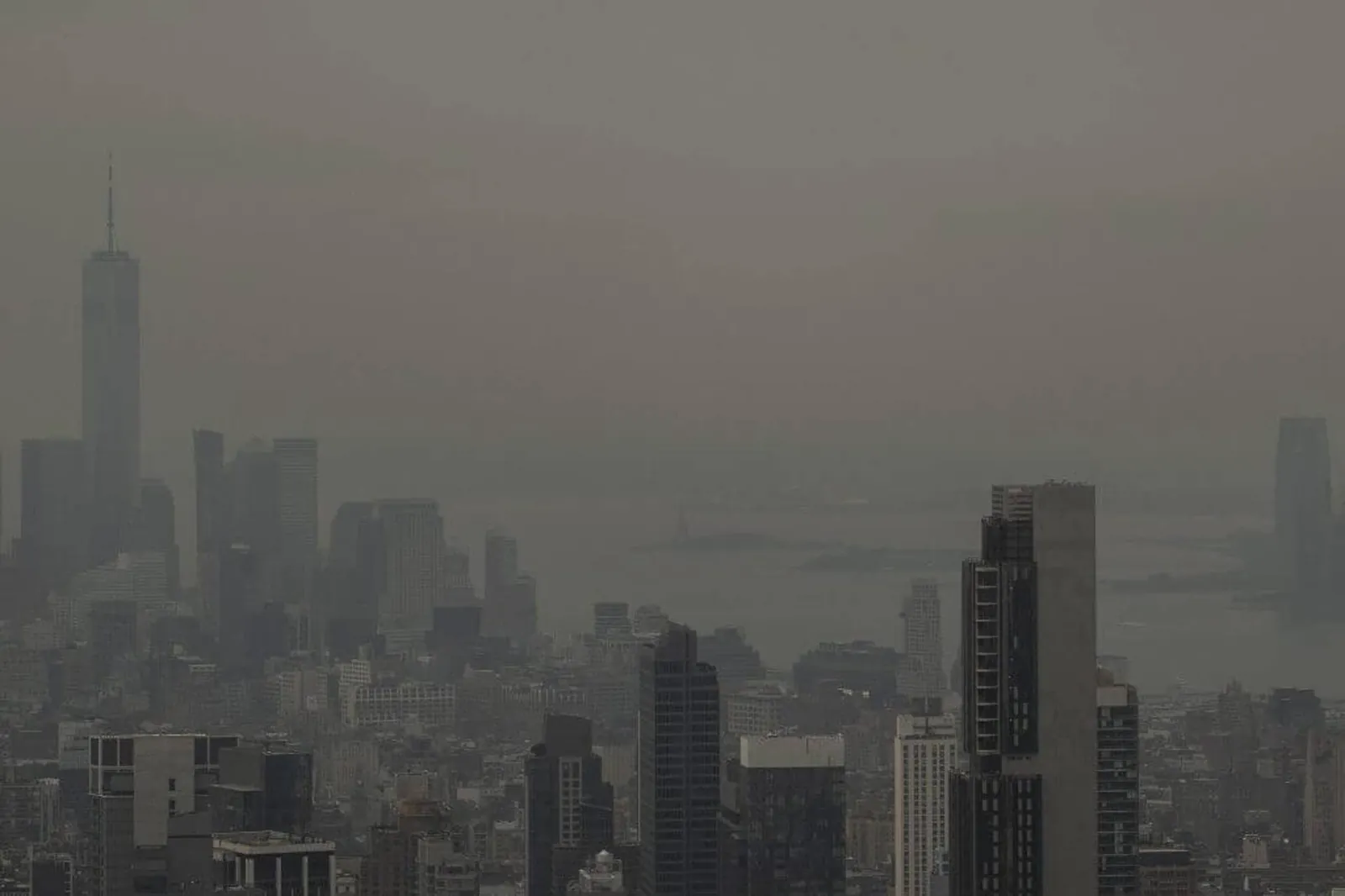
MetLife Stadium, located in East Rutherford, a few miles from Manhattan, recorded an AQI of 158 on Friday morning. This also falls into the “unhealthy” category, though an improvement was projected throughout the day. Officials in many cities and states have advised people to stay indoors due to these conditions.
Potential Impact on Player Performance
Professor James Hull, a consultant respiratory physician at the Institute of Sport, Exercise and Health (ISEH), noted that an AQI reading can be a concern for athletes. He stated that above 150, there is significant concern. Players competing in poor air quality conditions often report performance impairment due to physical sensations.
The particulates in the air can cause irritation to the throat, leading to coughing and feelings of suffocation. This can distract players and affect their focus during a game. Particulates can also cause broncho-constriction, which narrows airways, leading to breathlessness and chest tightness, potentially reducing performance. The effect on athletes can vary, with those having asthma or other airway diseases being more susceptible.
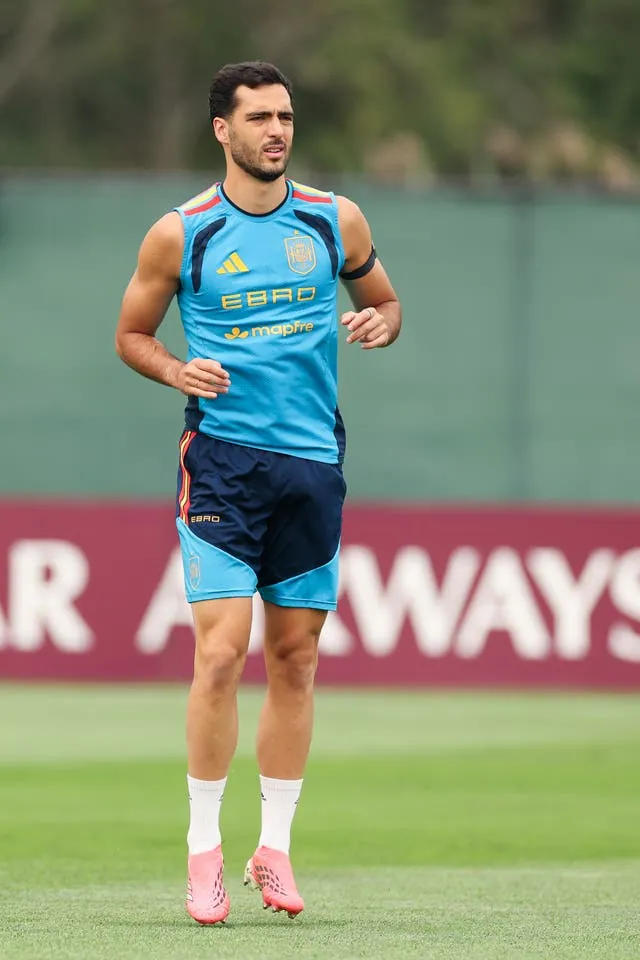
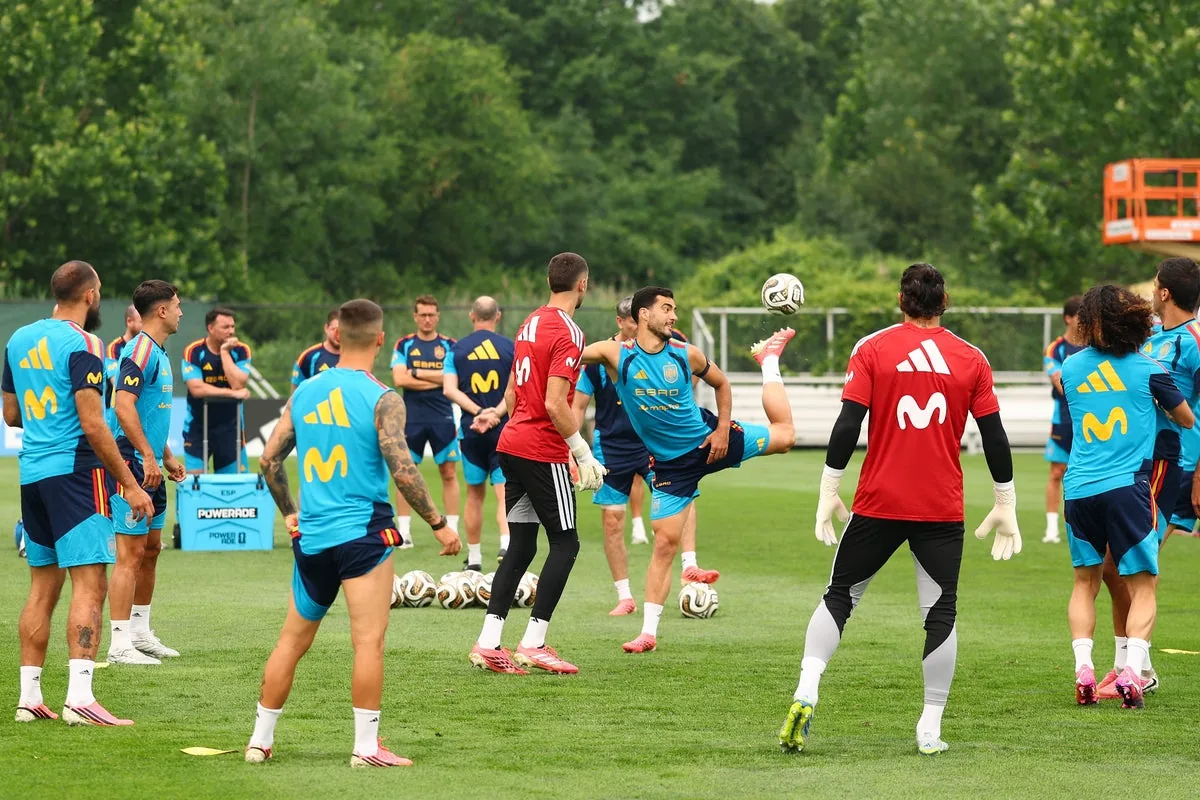
Spain trained outdoors in East Hanover, New Jersey, despite the prevailing conditions. Midfielder Mikel Merino acknowledged seeing and smelling the smoke but emphasised focusing on the game. He stated that the team is being careful with details thanks to the federation and organisers.
Weather Forecast and Previous Sporting Events
A change in weather over the weekend, with rain forecast, is expected to help clear the smoke and improve air quality for the final. However, the effectiveness of the rain in clearing the smoke remains difficult to predict. Rain showers are expected to linger into early Sunday morning, with skies clearing in the afternoon for the 3pm ET kick-off.
Other sporting events have already been affected by the poor air quality. A Major League Soccer game between Chicago Fire and Vancouver Whitecaps was postponed due to poor air quality in Chicago. An MLB game between the New York Mets and Philadelphia Phillies was moved up an hour due to similar concerns in Philadelphia. A NWSL game in New York between Gotham FC and Washington Spirit was played amid worsening atmospheric conditions, with hydration breaks occurring every 15 minutes.
FIFA‘s current communication to stakeholders indicates a better outlook for Sunday, with no expectation of an impact on the game at this point. This follows informal discussions between FIFA and World Cup task force CEO Andrew Giuliani.
Read Also
Source: nytimes.com

As NewsGB's Senior Football Correspondent, Jack Ferndale reports on the Premier League, the EFL and the England national side for readers across the country. He covered north-east football for a regional daily. He holds a degree in Sports Journalism from the University of Sunderland and completed an NCTJ diploma. Jack lives in Sunderland, where he watches lower-league football home and away. “The story is in the squad, not just the starting eleven.”