
Stokes’ impact on English cricket
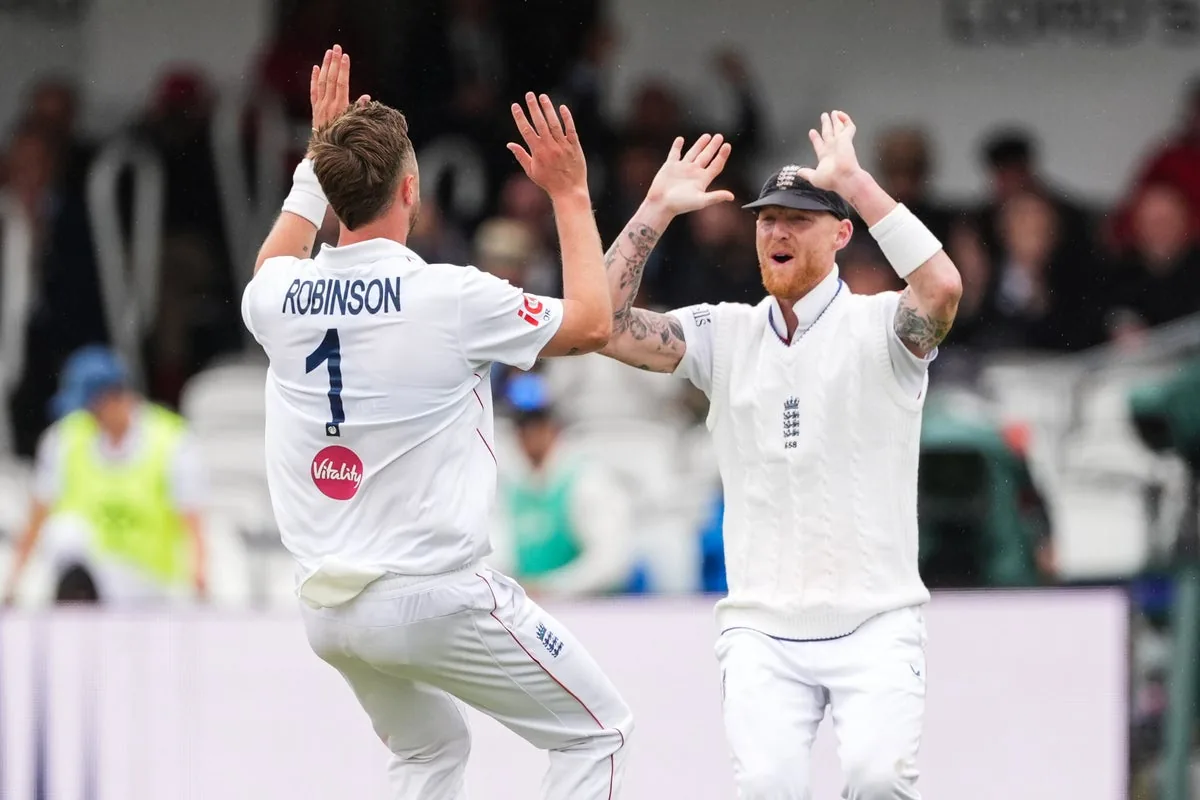
Ben Stokes, a prominent figure in English cricket, has concluded his tenure as captain, marking the end of an era characterised by impactful moments and transformative leadership. His career has been defined by performances that transcended mere statistics, creating numerous ‘I was there’ instances for fans. He leaves behind a legacy that includes two World Cup victories for England, a feat achieved in the 50-over format in 2019 and the T20 title in 2022.
Stokes’ influence as an all-rounder is often compared to cricketing legends such as Sir Garfield Sobers and Jacques Kallis, with his final Test tallies of 7,273 runs and 252 wickets placing him in an elite statistical category. Beyond the numbers, his ability to deliver in crucial situations has been a hallmark of his career, making him one of the most significant figures in modern British sport.
His journey included overcoming challenges, such as being hit for four consecutive sixes in a T20 World Cup final and an incident in Bristol that nearly ended his career. Despite these setbacks, Stokes emerged as a resilient and influential personality, continuing a lineage of powerful all-rounders like Ian Botham and Andrew Flintoff. His era of match-altering influence extended longer than his predecessors, a notable achievement given his participation across all three formats of the game.
Captaincy and ‘Bazball’ era
Stokes’ captaincy represents his second significant legacy. Despite not being initially tipped for leadership, he proved to be a superb man-manager and an innovative tactician. Under his leadership, England achieved 24 wins from 44 matches, a win rate that surpasses many previous captains since Mike Brearley, who is widely regarded as one of England‘s best.
When Stokes took charge, English cricket was in a challenging period, having secured only one win in 17 Tests and grappling with the effects of Covid restrictions. Working alongside head coach Brendon McCullum, Stokes revitalised the team, introducing an aggressive and exhilarating style of play dubbed ‘Bazball’. This approach challenged traditional perceptions of Test cricket and captivated the public, leading to a period of sensational results.
The ‘Bazball’ philosophy fostered an environment where players embraced freedom and attacked with confidence, leading to remarkable victories, including breaking numerous records in Pakistan with three wins on surfaces that historically favoured draws. This transformation helped banish the fear of failure within the team, making Test cricket an enjoyable spectacle.

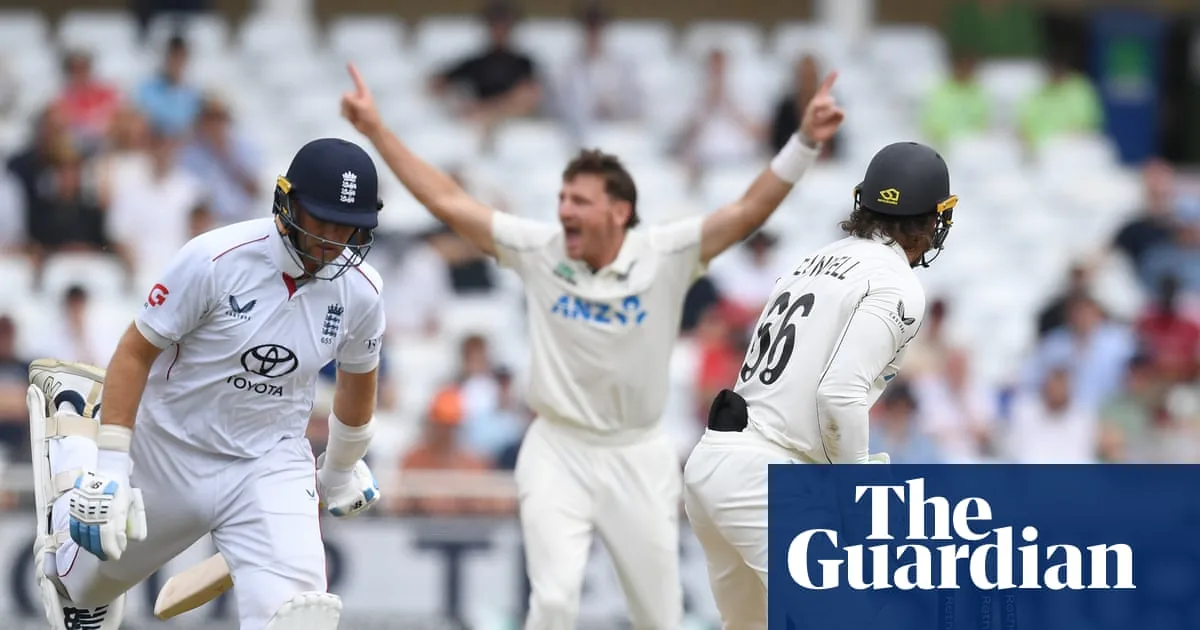
However, Stokes’ captaincy did not culminate in an Ashes series victory, particularly after the tour down under last winter. This outcome, along with a series defeat by New Zealand at Trent Bridge, contributed to the discussions that led to his retirement. Reports suggest that the events following the tour to Australia played a role in his decision to step down.
The future of English cricket
Stokes’ departure leaves England facing questions about future leadership and team balance. He has expressed his full support for Harry Brook as a potential successor, though Brook’s challenge will be to demonstrate the maturity required to lead the Test team. The team also needs to address the all-rounder position, with candidates such as Rehan Ahmed or Sam Curran potentially stepping in.
The absence of Stokes also means England has lost another world-class player, following a series of retirements from key figures over the past three years. Players like James Anderson, Stuart Broad, Chris Woakes, and Moeen Ali have all retired, while Jonny Bairstow and Mark Wood are unlikely to play Test cricket again. This leaves Joe Root as the only active England Test player who has experienced an Ashes series victory from the era of former coach Andy Flower.
Despite speculation about a potential temporary retirement and a return for future Ashes encounters, Stokes has dismissed such suggestions, stating he will be observing from a hospitality box. His decision, finalised before a match at Trent Bridge, indicates a firm conclusion to his international career, leaving fans to ponder who will step up to fill the void he leaves in terms of bowling, batting, and leadership.

Stokes’ retirement marks a significant shift for England, as the team now looks to forge a new path without one of its most influential players. He will continue to play for Durham, possibly with a shorter run-up.
Read Also
Source: bbc.com

As NewsGB's Senior Football Correspondent, Jack Ferndale reports on the Premier League, the EFL and the England national side for readers across the country. He covered north-east football for a regional daily. He holds a degree in Sports Journalism from the University of Sunderland and completed an NCTJ diploma. Jack lives in Sunderland, where he watches lower-league football home and away. “The story is in the squad, not just the starting eleven.”