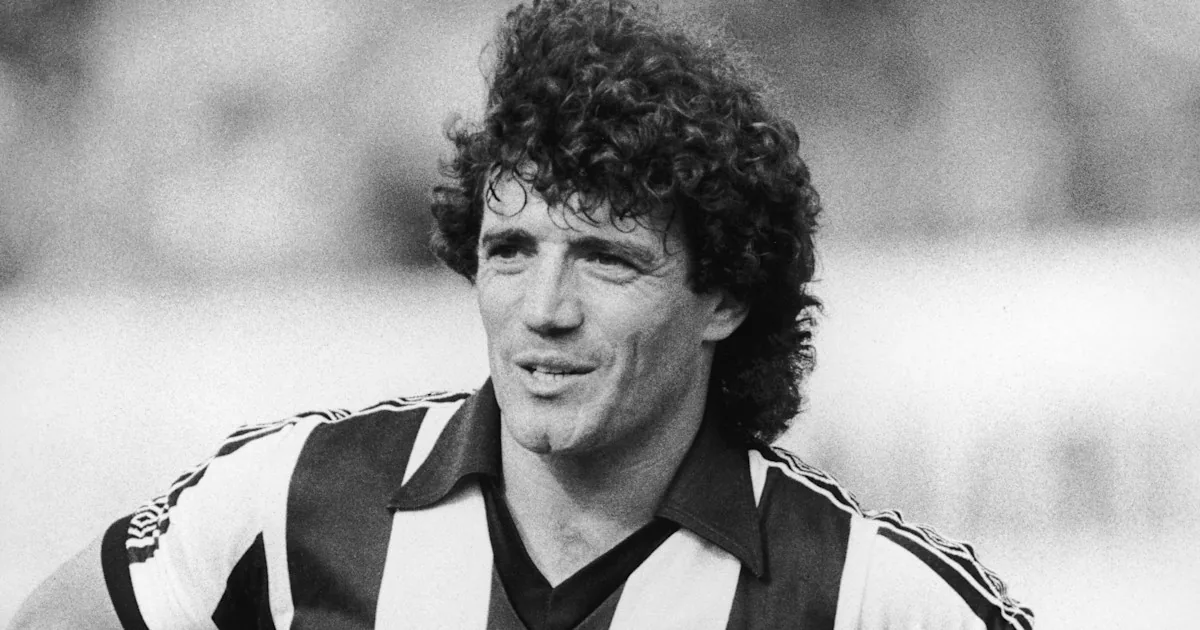

Kevin Keegan, a prominent figure in English football as both a player and manager, has passed away at the age of 75. Keegan, who was twice named European Footballer of the Year, was a key player for Liverpool during their successful period in the 1970s and later managed Newcastle United.
His family confirmed his passing, stating that he had been battling cancer. The family’s statement expressed immense sadness and requested privacy during this difficult time, acknowledging the support of his medical team.
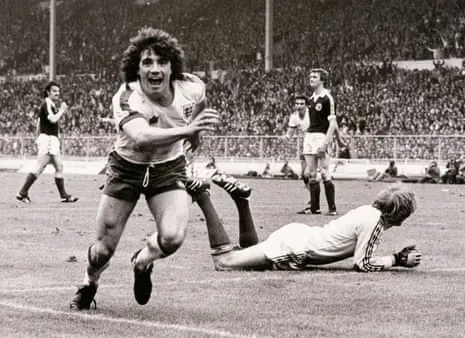
Keegan’s Illustrious Playing Career
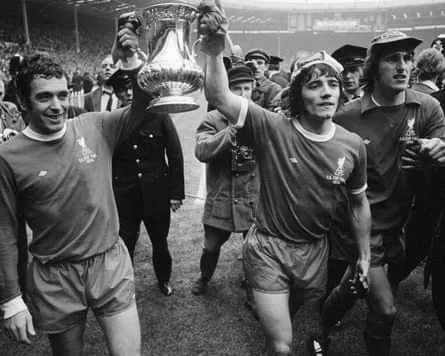
Keegan began his professional career at Scunthorpe before joining Liverpool in 1971 for a fee of £33,000. During his time at Anfield, he achieved significant success, winning the First Division title three times, the FA Cup, and the Uefa Cup twice. He also played a crucial role in Liverpool‘s 1977 European Cup victory.
Known affectionately as “King Kevin” and “Mighty Mouse,” Keegan was recognised for his combative style and dedication. He is the only British player to have won the Ballon d’Or twice, an honour he received while playing for German club Hamburg. After his spell in Germany, he returned to England to play for Southampton and Newcastle before retiring as a player in 1984.
Keegan also represented England. He participated in the 1982 World Cup and captained the national side at the 1980 Euros. His career was marked by a fiery temperament, notably being sent off in the 1974 Charity Shield for an altercation with Leeds‘ Billy Bremner.
Managerial Roles and Legacy
After retiring as a player, Keegan moved to Spain before embarking on a managerial career. His first significant role was with his former club, Newcastle United, in 1992. He guided the club into the Premier League and led them to challenge for the 1995-96 title, ultimately finishing second to Manchester United. His passionate “I will love it!” speech became a memorable moment in English football history.
Following his departure from St James’ Park in January 1997, Keegan had a brief stint at Fulham. He then took on the role of England manager in 1999, succeeding Glenn Hoddle. His tenure as national team manager lasted 20 months and 18 games, with England winning only seven of those matches, leading to his resignation after a defeat by Germany at Wembley Stadium.
Keegan later managed Manchester City, leaving the club in March 2005. He initially announced his retirement from football but made an emotional return to Newcastle in 2008 for a second spell. This period lasted eight months, concluding due to tensions with the club’s board and owner Mike Ashley. A tribunal in 2009 awarded Keegan damages for constructive dismissal.
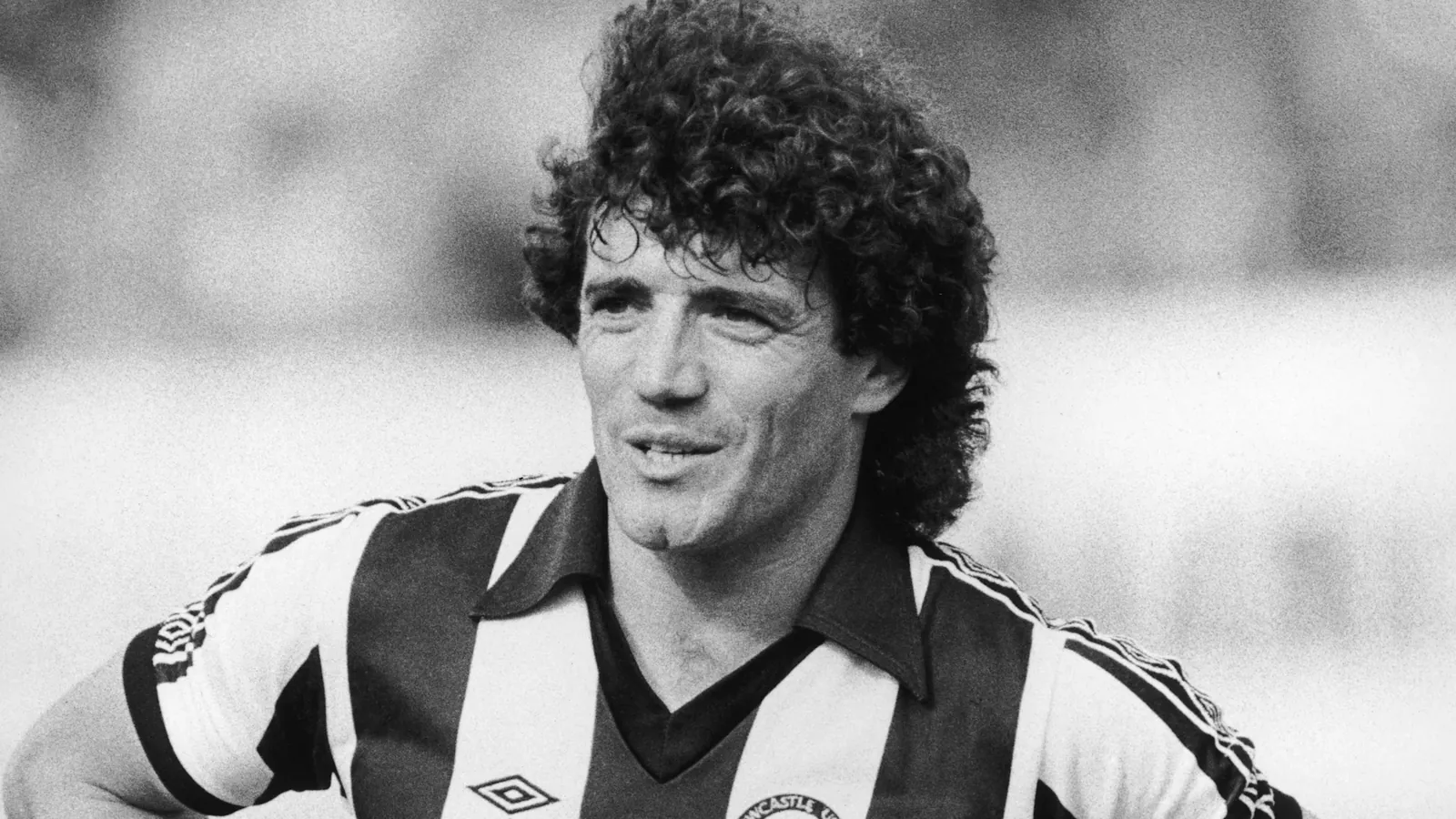
Newcastle United acknowledged Keegan’s profound impact, describing him as “more than a legendary footballer and manager.” The club highlighted his ability to inspire hope and pride among supporters and his deep connection with the North East, rooted in his father Joe’s heritage. They stated that his impact would be measured by the memories he created and the dreams he inspired, rather than just appearances or results.
Keegan was made an OBE in 1982 for his contributions to football. In 2023, his comments regarding the suitability of former England women’s internationals commenting on men’s international matches generated discussion. He stated at a public event in Bristol, “I don’t like to listen to ladies talking about the England men’s team at the match because I don’t think it’s the same experience. I have a problem with that.”
The club concluded its tribute by sending condolences to Keegan’s wife Jean, his family, and friends, and announced plans to consider a lasting tribute to his life and legacy at an appropriate moment.
Read Also
Source: theguardian.com

Dominic Hayes is the Sports News Writer at NewsGB, covering rugby union, golf and boxing with five years of reporting experience. He started on a north-east sports desk. He holds a degree in Journalism from Teesside University and completed an NCTJ diploma. Based in Middlesbrough, he follows pro golf and amateur boxing. “Fast and accurate is the only standard worth keeping.”