
Spain celebrated their recent World Cup victory with a return to Madrid, following their flight from New York. The squad was welcomed by the Spanish Royal family at the Zarzuela Palace before proceeding to the Moncloa Palace to meet with Prime Minister Pedro Sánchez. During the celebratory parade, a lighthearted moment involving Lamine Yamal drew attention.
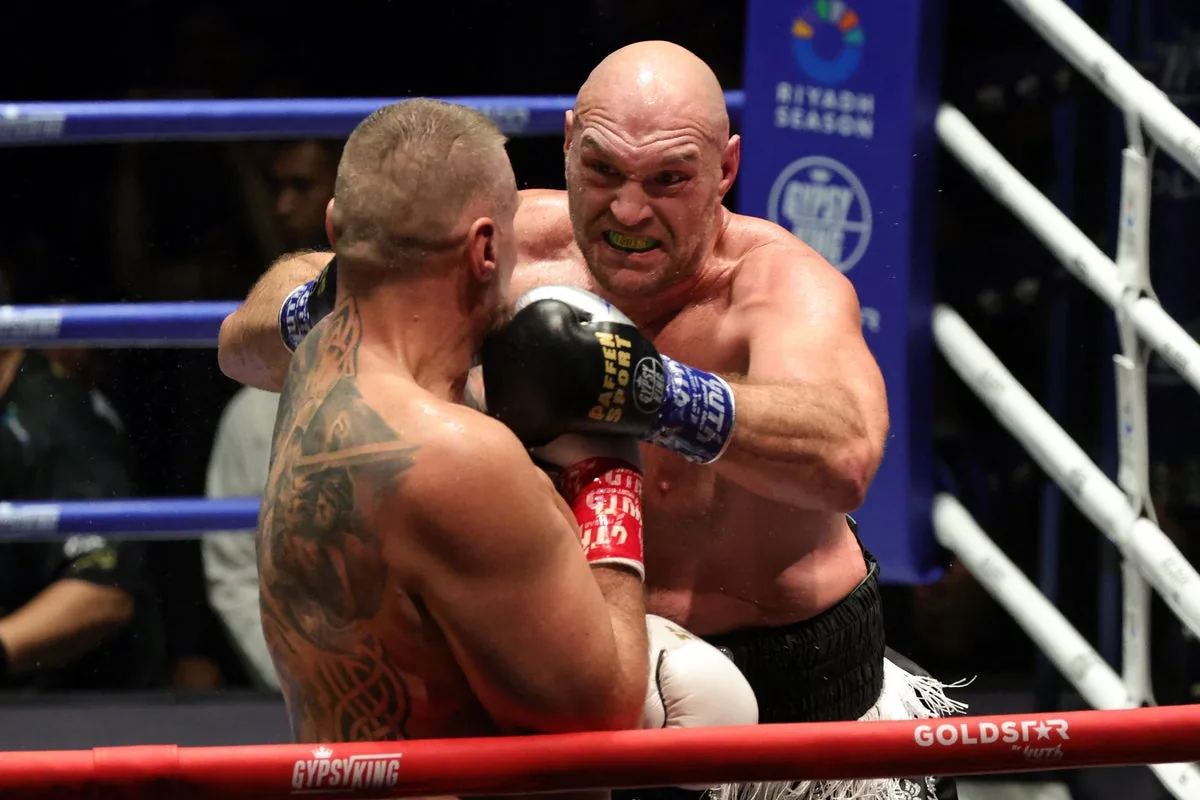
Yamal was seen holding a sign that referenced a post-match incident from the World Cup final. The sign, which read “Velada del Año: Paredes vs Gavi,” alluded to a celebrity boxing event in Spain, humorously highlighting a confrontation that occurred at the end of the final match. The incident involved Argentina’s Leandro Paredes and Gavi, where Gavi reportedly took some blows amidst late tension.
A Nod to the Post-Match Confrontation
The sign held by Lamine Yamal during Spain’s World Cup celebration in Madrid playfully mocked the altercation that took place after the final. The phrase “Velada del Año” refers to a well-known celebrity boxing event in Spain, suggesting a humorous comparison to the on-field clash between Paredes and Gavi. The moment, captured and circulated widely, became a symbol of the festivities, showcasing a natural and close bond between the team and their supporters.
Initially, the banner appeared to be a tribute to Yamal’s younger brother, Keyne, who gained recognition among fans during the tournament. However, when the banner was flipped, it revealed the message, “Velada del Año VII: Paredes vs. Gavi,” which brought laughter from Lamine and Fabián Ruiz on the team bus. Lamine reportedly asked the camera to zoom in so the text could be clearly read, then looked into the lens and said, “nos vemos.”
The post-match behaviour of the Argentina national side, particularly the brawl initiated by Leandro Paredes, had drawn criticism. Pundit Micah Richards described the actions as “embarrassing,” stating that such conduct after a game is “not good.” Another pundit, Joe Hart, called it “disgusting behaviour,” noting that Lionel Messi was the only player on the pitch who displayed class.
However, Argentina midfielder Enzo Fernandez, who was sent off in the final, offered a different perspective. He asserted that the team had represented their country “in the best possible way.” Fernandez reflected on the experience, stating that competing involves more than just winning; it’s about giving everything for the shirt and never giving up. He expressed his pride in being part of a group that consistently competed and defended their colours with pride, humility, and commitment.
Fernandez also extended his gratitude to the Argentine fans for their unwavering support, making the team feel at home regardless of their location. He emphasized that wearing his country’s shirt is the greatest honour of his career and pledged to continue giving his all whenever called upon to defend it. The playful jab from Lamine Yamal during Spain’s celebrations highlighted the contrasting reactions to the contentious moments of the World Cup final.

Celebrations and Public Reaction
The Spain squad’s return to Madrid was marked by formal receptions and a public parade. The team’s journey from New York culminated in celebrations that included interactions with the Royal family and the Prime Minister, underscoring the significance of their World Cup achievement. The parade itself, which included stops at iconic locations like Cibeles, fostered a strong connection between the players and their supporters, transforming the event into a notable social occasion beyond the realm of sport.
The sign held by Lamine Yamal, which referenced the “Velada del Año: Paredes vs Gavi,” quickly gained traction and became a talking point during the festivities. The humorous nature of the sign, coupled with Yamal’s direct address to the camera, resonated with fans and media alike. This moment served to reignite discussions about the post-match incident involving Argentina’s Leandro Paredes and Gavi, bringing a playful, yet pointed, commentary to the forefront of the celebration.
The incident in question, where Paredes initiated a brawl and Gavi reportedly received blows, had previously drawn strong condemnation. Critics had labelled Argentina’s behaviour as “disgusting” and “embarrassing.” Despite these criticisms, Enzo Fernandez’s defence of his team’s conduct highlighted a different interpretation of their actions, focusing on their commitment and representation of their nation. The contrasting perspectives on the post-match events were subtly brought into focus by Yamal’s public display during the victory parade.
The widespread circulation of the clip featuring Lamine Yamal and the sign further amplified the playful rivalry and the lingering sentiments surrounding the World Cup final. The celebratory atmosphere in Madrid provided a platform for both formal recognition of Spain’s success and informal expressions of team spirit and humour, as demonstrated by Yamal’s interaction with the fan banner.
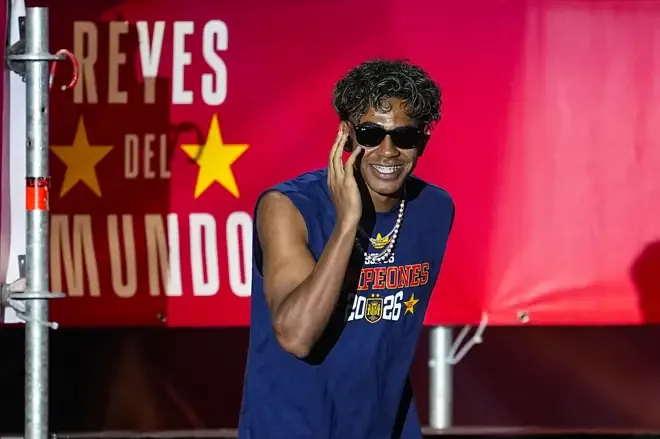
The parade served as a vibrant display of national pride and team camaraderie, with players engaging directly with their supporters. The humorous reference to the “Paredes vs Gavi” incident added a memorable, light-hearted element to the celebrations, ensuring that the event was not just about official ceremonies but also about shared moments of joy and playful banter among the football community.
Read Also
Source: lbc.co.uk

As NewsGB's Senior Football Correspondent, Jack Ferndale reports on the Premier League, the EFL and the England national side for readers across the country. He covered north-east football for a regional daily. He holds a degree in Sports Journalism from the University of Sunderland and completed an NCTJ diploma. Jack lives in Sunderland, where he watches lower-league football home and away. “The story is in the squad, not just the starting eleven.”