
Clarke’s departure follows World Cup campaign
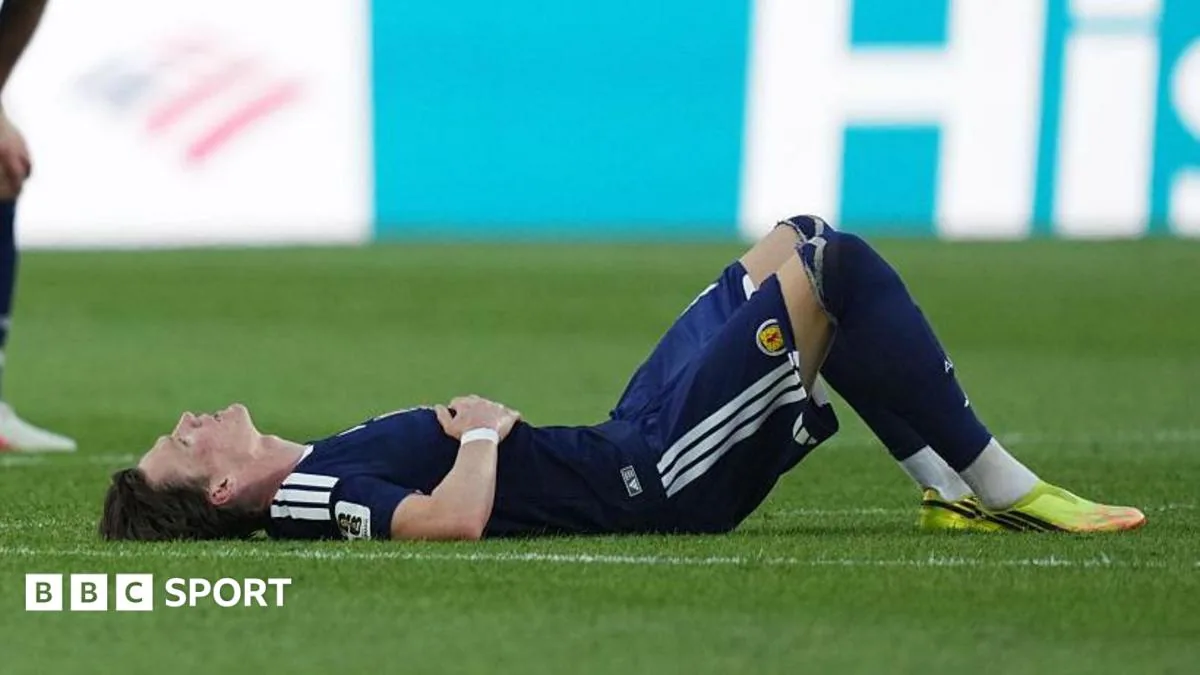
Steve Clarke has stepped down as head coach of Scotland men’s national team following their exit from the World Cup. The announcement from the Scottish FA came shortly after Croatia’s victory over Ghana on Saturday, which confirmed Scotland’s elimination from the tournament. Players were informed of Clarke’s departure while still at their base in Charlotte.
This resignation comes despite Clarke having signed a new four-year deal just a month prior. He had been in charge for seven years, during which time Scotland qualified for two European Championships and this summer’s World Cup.
In an open letter to supporters, Clarke expressed his gratitude to the players. He stated, “The most emotional part of this goodbye is for my players, without whom we wouldn’t have had any of the memories that we’ve accumulated from 2019 until now.” He added that it was an honour to be their “Gaffer” and wished his successor good luck.
Tournament performance and reflections
Scotland’s World Cup campaign began with a 1-0 win against Haiti in their opening Group C match in Boston. However, they subsequently lost 1-0 to Morocco in the same city and were then defeated 3-0 by Brazil in Miami. These results left them with a slim chance of progressing as one of the best third-placed teams, a hope that was extinguished three days after the Brazil match.
Despite the disappointment of the World Cup exit, Scottish FA chief executive Ian Maxwell highlighted the progress made under Clarke’s leadership. Maxwell noted, “From starting as a pot four team in 2019 to topping our World Cup qualifying group, he has more than delivered on the remit to take Scotland back to a major tournament.” He thanked Clarke for his “record-breaking contribution” and expressed confidence that supporters would eventually appreciate the memories of seeing Scotland compete in major tournaments again.
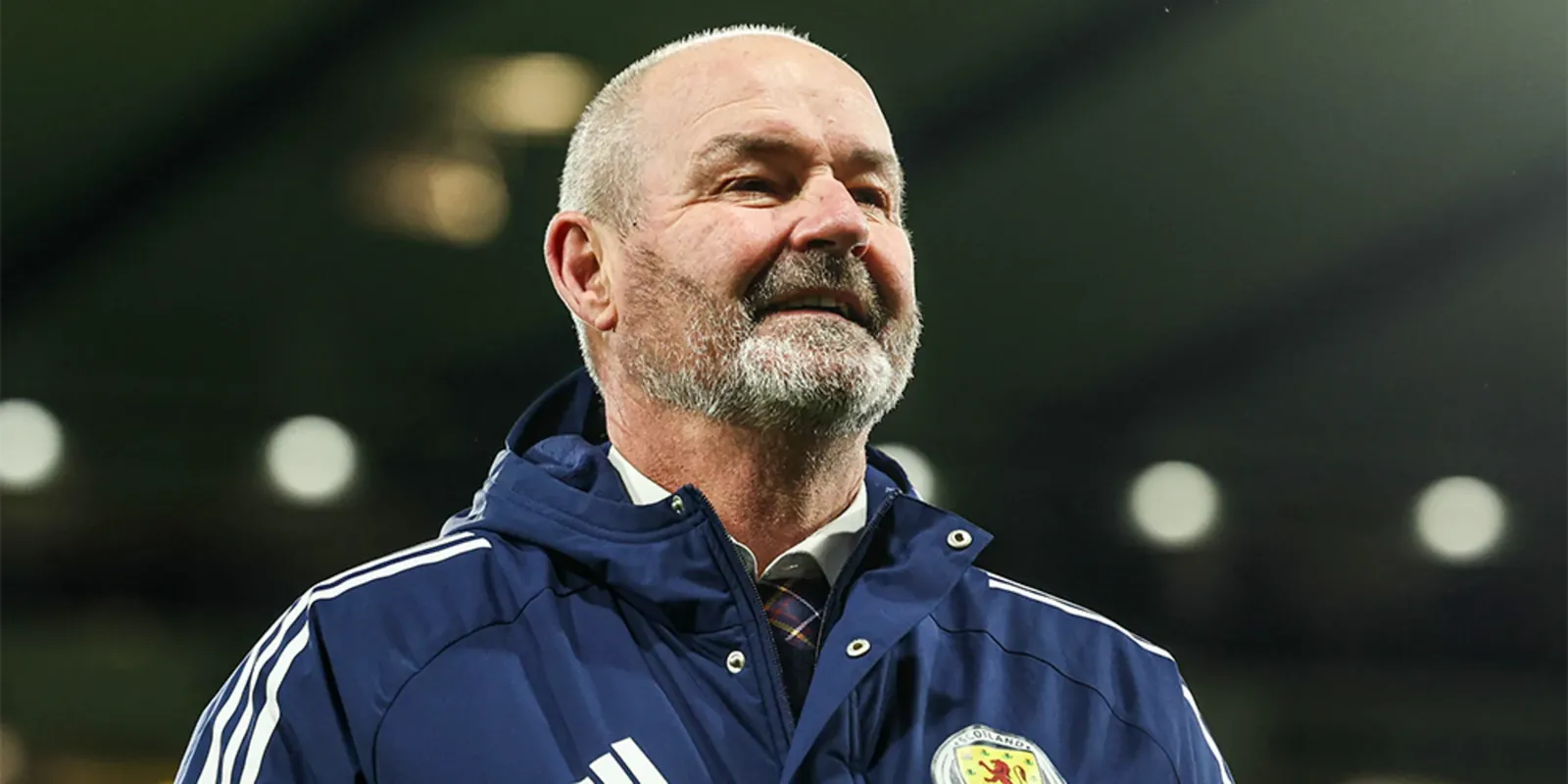
Maxwell also acknowledged the thousands of supporters who travelled to the United States, making a significant financial commitment, and praised them as exceptional ambassadors for Scotland and its national game.
The team’s performance in the tournament included one goal scored. The defeat to Brazil saw defensive errors undermine their chances of progressing. While Scotland played admirably for two halves in the tournament – the second against Morocco and the second against Brazil – these efforts were not enough to secure advancement.
Clarke’s legacy and the search for a successor
Clarke became Scotland head coach seven years ago, a period during which the country reached its first men’s World Cup in 28 years, following consecutive UEFA EURO qualifications. This marked a significant achievement, as Scotland had not reached a major finals since the World Cup in 1998.
Under his stewardship, Scotland topped their World Cup qualifying group, a notable improvement from their position as a pot four team in 2019. Despite the qualification successes, Scotland’s performances in all three major tournaments under Clarke were described as underwhelming, with the win against Haiti being their only victory across the finals.
The timing of Clarke’s resignation, just minutes after Scotland’s World Cup fate was sealed, has been a point of discussion. The fact that he had recently signed a new long-term contract also added to the surprise surrounding the announcement. Clarke is widely regarded as Scotland’s most successful manager in recent history, and the search for his replacement is now underway.
The team’s squad has been noted for its endeavour, with several good to very good players. However, some analyses suggest that the collective performance at the World Cup level was average. Injuries have impacted key players like Aaron Hickey and Kieran Tierney, with Tierney playing only one 90-minute game all season. Other players, such as Nathan Patterson, have struggled for game time at their clubs. Scott McTominay, a prominent player, was seen as less impactful against top midfield opponents, despite his strong performances in Serie A. John McGinn, a beloved figure, was played out of his usual position, while young prospect Ben Gannon-Doak and Ryan Christie also faced challenges with playing time and positioning.
The broader discussion now turns to the future of Scottish football, particularly regarding the development of young talent and the opportunities provided by top-flight clubs. Clarke himself had spoken about the need to produce more athletic and dynamic players. Scotland’s World Cup squad was among the oldest in the tournament, and some players are expected to retire. The immediate focus, however, is on finding a successor to Clarke, who departs after seven years in the role.
Read Also
- Iran allege unfair treatment by USA during World Cup, call for FIFA intervention
- Seattle: Iran's World Cup knockout hopes hang in balance after dramatic draw with Egypt
- All England Club: Emma Raducanu cuts short practice session ahead of Wimbledon
- England secure top spot in Group L with win over Panama
Source: bbc.co.uk

Dominic Hayes is the Sports News Writer at NewsGB, covering rugby union, golf and boxing with five years of reporting experience. He started on a north-east sports desk. He holds a degree in Journalism from Teesside University and completed an NCTJ diploma. Based in Middlesbrough, he follows pro golf and amateur boxing. “Fast and accurate is the only standard worth keeping.”